
What is 3D Surface Etching?
3D Surface Etching is an advanced manufacturing process used to create detailed patterns and textures on the surface of materials. This process removes a controlled layer of material to form three-dimensional designs and structures.
Unlike traditional surface finishing methods, 3D etching technology allows manufacturers to create highly precise patterns without damaging the surrounding material.
Industries use 3D surface etching for molds, dies, decorative panels, industrial components, and product branding.
3D Surface Etching Process
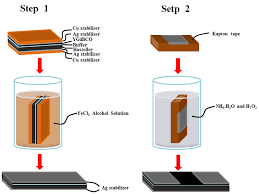
The 3D surface etching process involves several steps to achieve accurate and high-quality results.
1. Surface Preparation
Technicians clean the material surface to remove dirt, oil, or oxidation.
2. Design Creation
Engineers create a digital design or pattern for the etching process.
3. Masking or Pattern Transfer
A protective layer is applied to protect areas that should not be etched.
4. Etching Operation
Chemical or laser-based etching removes the exposed material to create the required 3D texture.
5. Cleaning and Finishing
The surface is cleaned and inspected to ensure the quality of the etched pattern.
This process allows manufacturers to produce complex textures with excellent accuracy.
3D Metal Surface Etching
3D metal surface etching is commonly used for creating precise patterns on metal components. The process removes small amounts of metal to create detailed designs or textures.
Common metals used for surface etching include:
-
Stainless steel
-
Aluminum
-
Brass
-
Copper
-
Titanium
This process is widely used in industrial manufacturing and decorative metal work.
Industrial 3D Surface Etching
Industrial 3D surface etching is used in many industries to improve the performance and appearance of metal components.
Industries using this technology include:
-
Automotive manufacturing
-
Aerospace engineering
-
Electronics industry
-
Mold and die manufacturing
-
Decorative metal production
The process allows manufacturers to create durable and highly precise surface textures.

Precision Surface Etching
Precision surface etching focuses on creating extremely fine and accurate patterns on material surfaces.
Applications include:
-
Micro component manufacturing
-
Electronic parts
-
Medical devices
-
Industrial filters
-
High-precision engineering components
Precision etching ensures excellent dimensional accuracy and surface quality.
3D Etching Technology
Modern 3D etching technology combines advanced design software with high-precision etching equipment. This technology enables manufacturers to produce complex 3D textures and patterns with exceptional accuracy.
Key benefits include:
-
High design flexibility
-
Detailed pattern creation
-
Minimal material damage
-
Excellent repeatability
Manufacturers prefer this technology for precision engineering and surface finishing.
Advanced Surface Etching Methods
Several advanced surface etching methods are used in modern manufacturing.
Common techniques include:
-
Chemical etching
-
Laser etching
-
Electrochemical etching
-
Plasma etching
Each method offers different advantages depending on the material type and application requirements.

Comparison Table – Traditional Surface Engraving vs 3D Surface Etching
| Feature | Traditional Engraving | 3D Surface Etching |
|---|---|---|
| Process Type | Mechanical cutting | Chemical or laser etching |
| Precision | Moderate | Very high |
| Surface Damage | Possible | Minimal |
| Design Complexity | Limited | Highly complex patterns |
| Production Efficiency | Moderate | High |
| Surface Finish | May require polishing | Smooth and detailed |
Applications of 3D Surface Etching
3D surface etching is used in many industries due to its precision and flexibility.
Common applications include:
-
Mold and die texturing
-
Decorative metal panels
-
Industrial component surface finishing
-
Electronic parts manufacturing
-
Product branding and identification
-
Precision engineering components
This technology helps manufacturers achieve both functional and aesthetic surface designs.
Conclusion
3D Surface Etching is an advanced surface engineering technique used to create precise textures and patterns on various materials. It offers high precision, excellent surface quality, and the ability to produce complex designs.
With the help of industrial 3D surface etching technology, precision etching methods, and advanced surface processing systems, manufacturers can improve both the performance and appearance of their products.
3D surface etching technology