
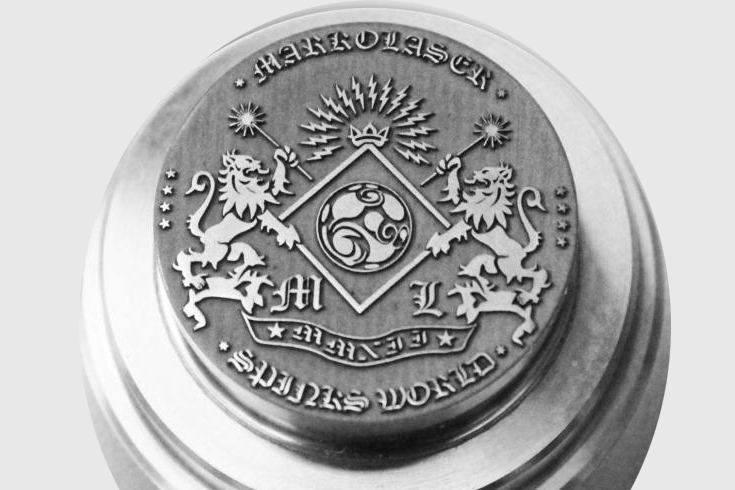
Laser Engraving is one of the most advanced and reliable technologies used in modern manufacturing and product customization. It delivers permanent, high-precision markings on a wide range of materials, including metal, wood, and acrylic.
From industrial part marking to personalized gifts, laser engraving offers unmatched accuracy, speed, and durability. In this comprehensive guide, you will learn everything about:
Laser engraving machines
Fiber laser engraving
CO2 laser engraving
Laser engraving on metal, wood, and acrylic
The laser engraving process
Laser marking vs laser engraving
Industrial laser engraving
Custom laser engraving
This article is designed to be easy to read, highly informative, and optimized for both users and search engines.

Laser engraving is a non-contact process that uses a high-powered laser beam to remove material from a surface and create a permanent mark or design.
Unlike traditional engraving methods, laser engraving:
Does not require physical tools
Produces highly detailed results
Minimizes material damage
Ensures consistent quality
The laser beam vaporizes the material layer by layer, creating deep, durable engravings.
A laser engraving machine is a computer-controlled system that converts digital designs into precise engravings. These machines operate using CNC or galvo-based control systems.
Laser source (Fiber or CO2)
Control system
Laser head or galvo scanner
Cooling system
Design software compatibility
Choosing the right machine depends on the material type and production requirements.
Fiber laser engraving is ideal for marking and engraving metals and hard materials. It uses a fiber optic laser source that delivers high beam quality and efficiency.
High engraving speed
Deep marking capability
Low maintenance
Long operational life
Excellent precision
Stainless steel
Aluminum
Brass
Titanium
Precious metals
Fiber lasers are widely used in industrial manufacturing for serial numbers, barcodes, QR codes, and permanent identification marks.

CO2 laser engraving is best suited for non-metal materials. It operates using a gas laser system that performs exceptionally well on organic materials.
Wood engraving
Acrylic cutting and engraving
Leather marking
Glass decoration
Rubber stamps
CO2 lasers are popular in signage, interior design, crafts, and promotional industries.
Laser engraving on metal creates permanent and corrosion-resistant marks. Fiber lasers are typically used for this application.
Industrial components
Automotive parts
Medical instruments
Metal nameplates
Tools and equipment
Benefits include high durability, tamper resistance, and long-term readability.
Laser engraving on wood produces clean, detailed, and aesthetic results. CO2 lasers are commonly used for wood applications.
Wooden gifts
Decorative panels
Furniture branding
Craft products
Custom signage
Laser engraving enhances the natural grain of wood while maintaining precision.
Laser engraving on acrylic creates a smooth, frosted finish that looks professional and elegant.
LED sign boards
Logo plates
Awards and trophies
Display panels
Decorative branding elements
CO2 laser systems ensure clean edges and high clarity when working with acrylic.
The laser engraving process is efficient, automated, and highly repeatable.
Create or import the design using compatible graphic software.
Place the material and adjust the focus.
Set laser power, speed, frequency, and depth according to material type.
The laser beam removes material and forms the design.
Clean the surface if necessary.
This process ensures precision, speed, and consistent results across production batches.
Many people confuse laser marking with laser engraving. However, they serve different purposes.
| Feature | Laser Marking | Laser Engraving |
|---|---|---|
| Material Removal | Minimal | Yes |
| Depth | Surface level | Deep |
| Durability | High | Very High |
| Speed | Faster | Slightly slower |
| Permanency | Good | Excellent |
Laser engraving creates deeper and more durable results compared to marking.

Industrial laser engraving is used for large-scale production and manufacturing environments. It supports automation and batch processing.
Automotive
Aerospace
Electronics
Medical device manufacturing
Tool and die industry
Key advantages include production efficiency, accuracy, repeatability, and long-term cost savings.
Custom laser engraving enables personalized designs for individuals and businesses.
Corporate gifts
Jewelry engraving
Promotional items
Personalized products
Wedding accessories
This segment offers strong business potential due to increasing demand for customized products.
Permanent and high-quality results
Non-contact and damage-free process
Suitable for multiple materials
High production speed
Minimal maintenance
Eco-friendly and efficient
Laser engraving provides a perfect balance of precision, durability, and performance.
Laser engraving has transformed both industrial manufacturing and custom product design. Whether you choose fiber laser engraving for metal or CO2 laser engraving for wood and acrylic, this technology delivers reliable and long-lasting results.
With advanced laser engraving machines, businesses can achieve superior precision, increased productivity, and consistent quality. From industrial applications to personalized products, laser engraving remains one of the most efficient and future-ready solutions available today.
©2026 Jai Ambay Etching Process. All Rights Reserved.
